Niche Selection for AI Creators: Finding Your Unique Position in the Market
The right niche can make or break an AI creator's success. Learn how to identify and dominate the perfect market position for your virtual character.
In the increasingly crowded AI creator landscape, niche selection may be the single most important strategic decision you make. The right niche provides focus for content creation, attracts a defined audience, creates monetization opportunities, and differentiates you from competitors. The wrong niche—or no niche at all—leads to generic content that struggles to build loyal audiences.
This guide provides a framework for identifying, evaluating, and dominating the right niche for your AI creator.
Why Niche Focus Matters
Before diving into selection strategies, understand why niche focus is particularly important for AI creators.
The Attention Economy Reality
Content Abundance: Audiences face more content than they could ever consume. Standing out requires distinct value.
Algorithmic Curation: Social algorithms favor content that generates strong engagement within interest communities over generic content with broad but shallow appeal.
Audience Sophistication: Audiences have become expert at finding content that specifically serves their interests.
Benefits of Niche Focus
Audience Clarity: A defined niche creates clarity about who you're creating for, enabling more relevant content.
Content Direction: Niche focus provides a framework for content decisions, making creation more efficient.
Community Formation: People form communities around shared interests. Niche focus attracts like-minded audiences.
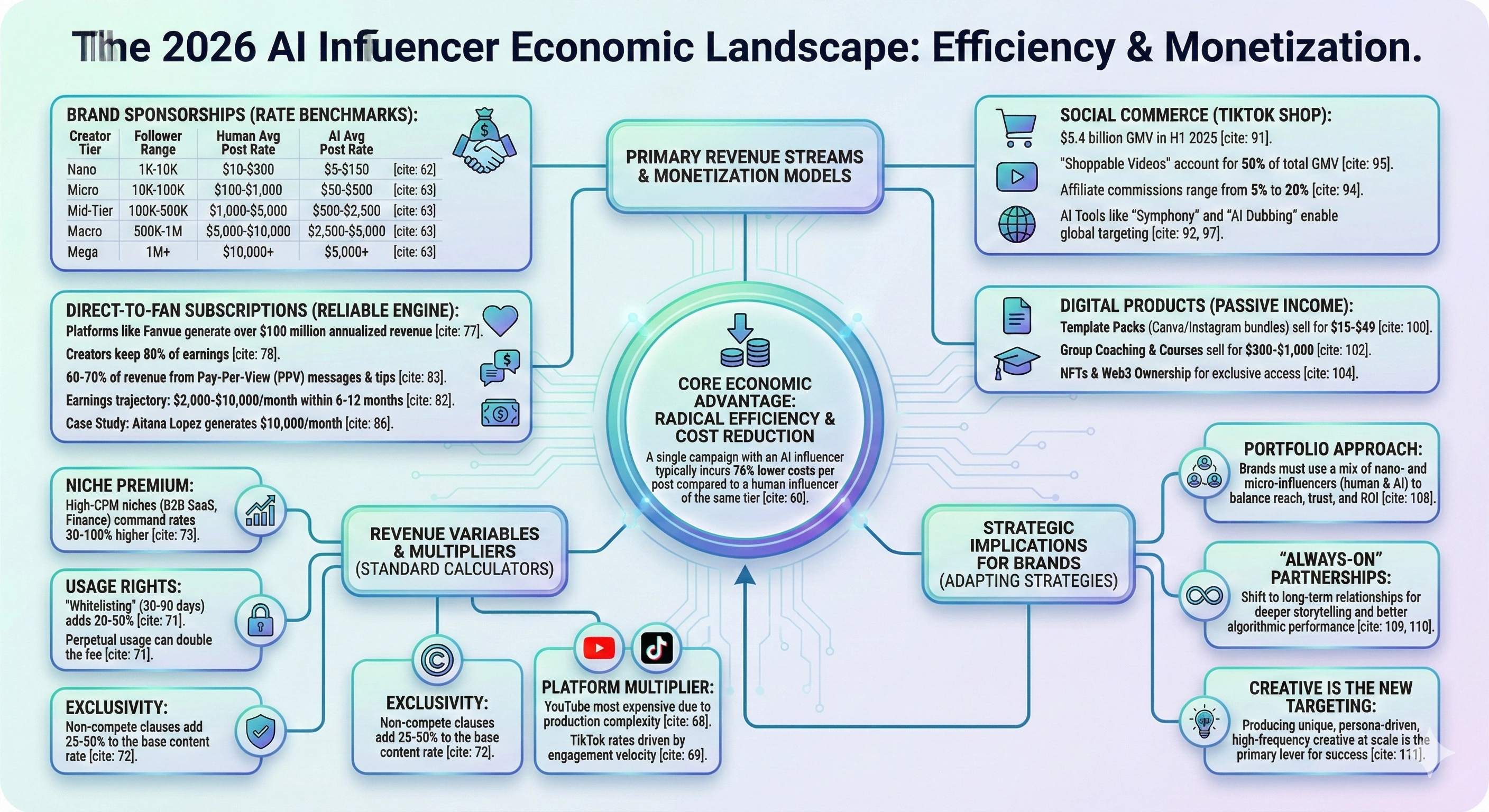
Monetization Potential: Brands targeting specific audiences pay premiums for access. Niches enable targeted brand partnerships.
Reduced Competition: Narrower niches typically have less competition than broad categories.
Authority Building: It's easier to become known as "the best" in a specific niche than in broad categories.
Elements of a Good Niche
Not all niches are equally promising. Evaluate potential niches against these criteria.
Market Size
The niche must be large enough to support your goals:
Addressable Audience: How many people are potentially interested in this niche?
Platform Presence: Is this audience active on the platforms you'll use?
Growth Trajectory: Is interest in this niche growing or declining?
Benchmark: There's no universal "right size"—some niches support million-follower creators, others support smaller but highly monetizable audiences.
Monetization Potential
The niche should offer paths to sustainable income:
Brand Interest: Do brands actively want to reach this audience?
Spending Power: Does the audience have money to spend on products, services, or direct support?
Product Opportunities: Are there digital or physical products that serve this audience?
Competition for Attention: If brands are actively investing to reach this audience, that signals monetization potential.
Creative Fit
The niche should align with your capabilities and interests:
Visual Opportunity: Does the niche allow for the kind of visual content AI characters excel at?
Character Compatibility: Can your character concept authentically inhabit this space?
Sustainable Interest: Can you sustain creative interest in this niche over time?
Skill Alignment: Do you have or can you develop the skills to serve this niche well?
Competitive Landscape
Evaluate the existing competition:
Current Players: Who else serves this niche? How established are they?
Differentiation Potential: Can you offer something distinct from current players?
Entry Barriers: What would it take to establish presence against existing competition?
Gaps: Are there underserved segments or approaches within the niche?
Niche Identification Strategies
Several approaches can help identify promising niches.
Passion-Based Discovery
Start with genuine interests:
Inventory Your Interests: What topics genuinely fascinate you?
Intersection Analysis: Where do your interests intersect with potential audience interests?
Authentic Enthusiasm: Long-term content creation requires genuine engagement with the subject matter.
Market-Based Discovery
Analyze market opportunities:
Trend Analysis: What topics are growing in interest?
Competitor Mapping: What niches do existing successful AI creators occupy?
Gap Analysis: Where do audience needs go unmet?
Platform Exploration: What topics drive engagement on your target platforms?
Audience-Based Discovery
Start from audience needs:
Community Observation: What communities are underserved?
Pain Point Identification: What problems do potential audiences face?
Interest Clustering: Where do audience interests cluster in ways you can serve?
Common Niche Categories for AI Creators
Several niche categories have proven particularly suitable for AI characters.
Fashion and Style
Opportunities:
- High visual focus suits AI character strengths
- Strong brand partnership potential
- Diverse sub-niches (streetwear, luxury, sustainable, etc.)
Considerations:
- Highly competitive
- Fast-moving trends require constant attention
- Quality standards are high
Sub-Niche Examples: Minimalist fashion, sustainable style, luxury jewelry focus, streetwear culture
Beauty and Cosmetics
Opportunities:
- Visual demonstration of products
- Strong brand interest
- Loyal audience communities
Considerations:
- Product demonstration may be challenging for AI characters
- Authenticity concerns around AI recommending human-use products
- Influencer saturation
Sub-Niche Examples: Bold/artistic makeup, skincare enthusiast, specific brand aesthetic
Lifestyle and Aspiration
Opportunities:
- Broad content flexibility
- Fantasy/aspiration particularly suits AI characters
- Aesthetic lifestyle content performs well
Considerations:
- Can become generic without sharper niche focus
- Monetization less direct than product-focused niches
Sub-Niche Examples: Minimalist living, luxury lifestyle, travel aesthetics, wellness-focused living
Art and Creativity
Opportunities:
- Natural fit for AI-generated content
- Authentic creative identity
- Growing interest in AI art
Considerations:
- Monetization may require creative approaches
- AI art has specific platform policies to navigate
Sub-Niche Examples: Digital art showcase, AI art + fashion crossover, aesthetic curation
Fantasy and Escapism
Opportunities:
- AI characters can embody fantasy naturally
- Strong community formation around fantasy worlds
- Creative storytelling opportunities
Considerations:
- May have brand partnership limitations
- Niche audience (though dedicated)
Sub-Niche Examples: Cosmic/celestial aesthetic, cyberpunk character, ethereal fantasy
Niche Evaluation Framework
Use this framework to evaluate potential niches systematically.
Scoring Criteria
Score potential niches (1-10) on each criterion:
Market Opportunity (Weight: 25%)
- Audience size and accessibility
- Growth trajectory
- Platform presence
Monetization Potential (Weight: 25%)
- Brand interest
- Audience spending power
- Direct monetization pathways
Competitive Position (Weight: 25%)
- Current competition level
- Differentiation potential
- Entry barriers
Creative Fit (Weight: 25%)
- Character alignment
- Visual opportunity
- Sustainable interest
- Skill alignment
Comparative Analysis
Compare multiple niche options:
| Criterion | Niche A | Niche B | Niche C |
|---|---|---|---|
| Market Opportunity | |||
| Monetization Potential | |||
| Competitive Position | |||
| Creative Fit | |||
| Weighted Total |
Validation Testing
Before full commitment, validate your niche:
Content Testing: Create test content for the niche and evaluate response.
Audience Research: Engage with existing communities to understand needs.
Brand Research: Explore what brands are active in the space.
Competitor Analysis: Study successful creators in or adjacent to the niche.
Niche Positioning Strategies
Once you've selected a niche, positioning within it matters.
Differentiation Approaches
Aesthetic Differentiation: A distinctive visual style that sets you apart.
Voice Differentiation: A unique personality or perspective within the niche.
Approach Differentiation: A different way of addressing the niche topic.
Audience Differentiation: Serving a specific segment within the broader niche.
Sub-Niche Focus
Consider going narrower than immediately obvious:
From "Fashion" to: Sustainable streetwear for creative professionals
From "Beauty" to: Bold makeup for self-expression and confidence
From "Lifestyle" to: Minimalist urban living for digital nomads
Cross-Niche Positioning
Some successful positions blend niches:
Fashion + Technology: Style for the digital age
Beauty + Art: Makeup as creative expression
Lifestyle + Fantasy: Escapist aesthetics for everyday life
Niche Evolution and Expansion
Your niche position may evolve over time.
Deepening Focus
As you grow, you may narrow focus further:
- Identifying most engaged audience segments
- Doubling down on highest-performing content themes
- Serving superfan needs specifically
Adjacent Expansion
Successful niche establishment can enable expansion:
- Adding related content categories
- Serving adjacent audience interests
- Introducing complementary product categories
Maintaining Core Identity
Through evolution, maintain what made the niche work:
- Core visual aesthetic
- Character personality
- Community values
- Distinctive approach
Conclusion
Niche selection shapes every aspect of an AI creator's trajectory—from content strategy to audience composition to monetization potential. Taking time to select and position within the right niche is among the highest-leverage investments you can make.
At PlayBella, each of our AI creator collections occupies a distinctive niche position—Bold pushes boundaries, Prestige represents luxury elegance, Icons celebrates artistic expression. These niche choices inform every aspect of content creation and audience development.
The most successful AI creators aren't trying to appeal to everyone. They're building dedicated audiences around specific interests, aesthetics, and communities. That focus is their strength.
Explore how PlayBella's family of AI creators each occupies a distinctive niche, demonstrating the power of strategic positioning.
PlayBella Team
Published on January 4, 2026